
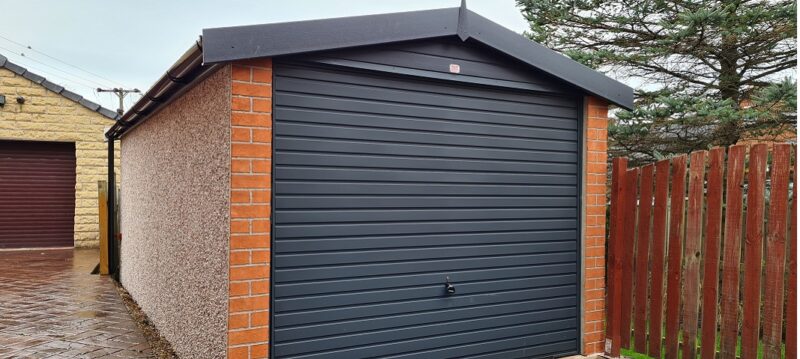
Choosing the right type of garage is an important decision for UK homeowners. Whether you are looking to protect your vehicle, create additional storage or add long-term value to your property, the structure you choose needs to balance durability, cost and practicality. Two of the most common options are concrete garages and brick-built garages, each offering distinct benefits depending on your priorities.
With over 75 years of experience manufacturing and installing concrete garages across the UK, Dencroft Garages has helped thousands of homeowners make an informed decision. This guide explores how concrete and brick garages compare, using real-world insight from decades in the industry.
Understanding the Key Differences Between Concrete and Brick Garages
What defines a concrete garage?
A concrete garage is constructed using precast, reinforced concrete panels that are manufactured off-site under controlled conditions. These panels are designed to interlock securely during installation, creating a strong and weather-resistant structure once assembled on a prepared base.
Because the panels are produced in advance, quality remains consistent regardless of on-site conditions. This manufacturing process allows for quick installation while maintaining excellent structural integrity. At Dencroft Garages, concrete panels are machine-vibrated and reinforced with high-yield steel to ensure long-term performance in the UK climate.
How brick garages are traditionally built
Brick garages are constructed on site using conventional building techniques similar to house extensions. They typically require deeper foundations, bricklaying, roofing and extended labour periods. While brick garages can visually match existing properties, their build process is heavily influenced by weather conditions and availability of skilled trades.
This method often results in longer installation times, higher labour costs and increased disruption around the property during construction.
Visual appeal and design flexibility
Brick garages are often chosen for their traditional appearance, particularly where homeowners want a seamless match with their home. However, modern concrete garages are no longer limited to plain finishes. Today’s concrete garages can be supplied with textured panels, brick-effect finishes and a choice of roof styles to complement a wide range of properties.
Dencroft Garages offers bespoke concrete garage designs, allowing homeowners to achieve both practicality and visual appeal without the extended build time of a brick structure.
Practical Considerations for UK Homeowners
Cost and overall value for money
Cost plays a major role in garage selection. Concrete garages are generally far more cost-effective than brick-built alternatives, offering excellent value without sacrificing durability or security. Brick garages require more materials, longer labour time and often higher groundwork costs, all of which significantly increase the final price.
Concrete garages benefit from efficient manufacturing and fast installation, keeping costs predictable and affordable. For many homeowners, this makes concrete garages the more sensible long-term investment.
Installation time and disruption
One of the standout advantages of a concrete garage is installation speed. In many cases, once the base is prepared, a concrete garage can be installed in as little as a single day. This minimises disruption to your home and avoids prolonged construction work.
Brick garages often take several weeks to complete, involving repeated site visits, noise and restricted access. For homeowners who value convenience and efficiency, concrete garages offer a clear advantage.
Durability, maintenance and lifespan
Concrete garages are designed to withstand decades of use with minimal maintenance. Reinforced concrete panels resist rot, warping and pest damage, making them particularly well suited to the UK’s variable weather conditions.
Brick garages, while strong, are not maintenance-free. Mortar joints can deteriorate over time and may require repointing, while brickwork can be affected by frost damage and weather staining. Over the long term, maintenance costs can add up.
Planning permission and regulations
Many concrete garages fall within permitted development rights, meaning planning permission is often not required, depending on size and location. This can significantly simplify the process and reduce delays.
Brick garages are more likely to require planning approval due to their permanent foundations and construction method. This adds complexity, time and potential cost to the project.
Which Garage Is the Better Choice?
For the majority of UK homes, concrete garages offer the best balance of affordability, durability, speed of installation and low maintenance. While brick garages may suit those with specific aesthetic goals and a larger budget, they often involve higher costs and longer build times.
Backed by decades of expertise, Dencroft Garages continues to recommend high-quality concrete garages as a reliable and practical solution for homeowners across the UK.
Speak to Dencroft Garages Today
If you are considering a new garage and want expert advice tailored to your property, Dencroft Garages is here to help. Our experienced team provides a complete service from design through to installation, ensuring a solution that meets your exact needs.
Contact Dencroft Garages today to discuss your concrete garage options and request a free, no-obligation quote.